
Maid Services and the Fight for Cleaner Indoor Air
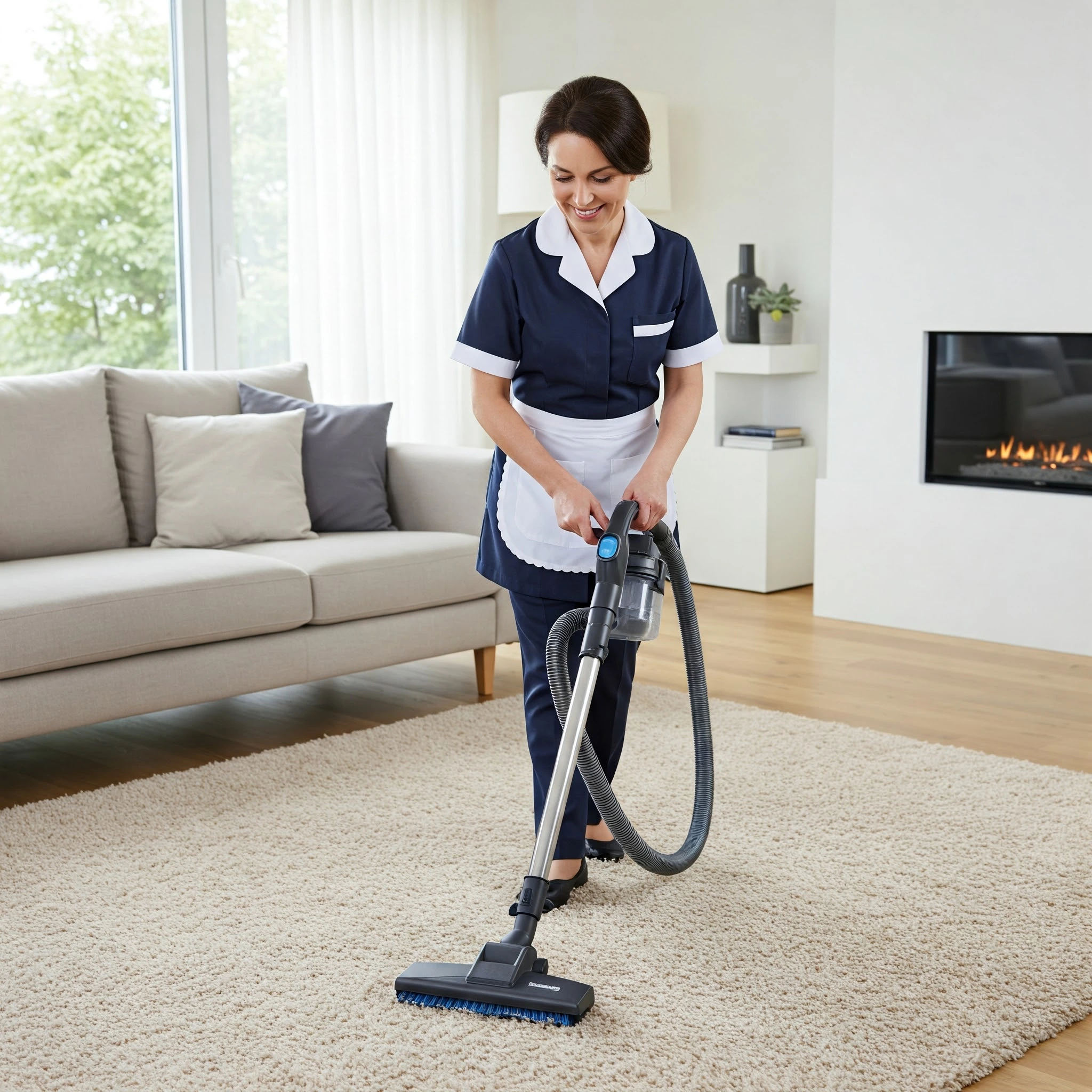
How Maid Housekeeping Enhances Indoor Air Quality. Indoor air pollution is a growing concern, often more concentrated than outdoor air. Statistics from the EPA show that indoor pollutant levels can be significantly higher, impacting health. Maid housekeeping plays a vital role in improving air quality. Unlike surface cleaning, maid services remove the root causes of pollutants. They use HEPA-filtered vacuums, eco-friendly products, and professional techniques to eliminate dust, allergens, and mold spores. Regular cleaning disrupts the cycle of pollutant accumulation and re-circulation. Let’s explore the specific cleaning practices and benefits of professional maid services for a healthier home environment.
The Hidden Dangers of Indoor Air Pollution
Common Sources of Indoor Air Pollution
- Dust Mites: Microscopic creatures that thrive in bedding, carpets, and upholstery. Their waste products are a common trigger for allergies and asthma.
- Pet Dander: Tiny flecks of skin shed by animals with fur or feathers. Even if you’re not allergic to pets, dander can contribute to general irritation and poor air quality.
- Mold Spores: Microscopic fungi that grow in damp or humid environments, releasing spores into the air. Mold exposure can cause allergic reactions, respiratory problems, and other health issues.
- Volatile Organic Compounds (VOCs): Chemicals emitted from a wide range of household products, including paints, cleaning supplies, furniture, adhesives, and even some personal care products. VOCs can cause a variety of health problems, including headaches, dizziness, nausea, and respiratory irritation. Long-term exposure to some VOCs has even been linked to cancer.
- Combustion Sources: Appliances that burn fuel, such as gas stoves, fireplaces, and space heaters, can release carbon monoxide, nitrogen dioxide, and particulate matter into the air. Poorly ventilated combustion sources can be particularly dangerous.
- Radon: A naturally occurring radioactive gas that can seep into homes from the soil. Radon exposure is the second leading cause of lung cancer.
Health Effects of Poor Indoor Air Quality
- Allergies and Asthma: Dust mites, pet dander, mold spores, and pollen are common allergens that can trigger allergic reactions such as sneezing, runny nose, itchy eyes, and skin rashes. For individuals with asthma, exposure to these allergens can trigger asthma attacks.
- Respiratory Infections: Poor indoor air quality can weaken the immune system and make individuals more susceptible to respiratory infections such as colds, flu, and bronchitis.
- Headaches and Fatigue: Exposure to VOCs and other pollutants can cause headaches, dizziness, and fatigue.
- Irritation of the Eyes, Nose, and Throat: Many indoor air pollutants, such as VOCs and particulate matter, can irritate the mucous membranes of the eyes, nose, and throat.
- Long-Term Health Problems: Prolonged exposure to indoor air pollutants can contribute to the development of more serious health problems, such as respiratory diseases, cardiovascular disease, and cancer.
Statistics and Studies
- The EPA estimates that Americans spend approximately 90% of their time indoors, making indoor air quality a critical public health issue.
- The World Health Organization (WHO) estimates that 3.8 million premature deaths annually are attributable to household air pollution.
- Studies have shown that children are particularly vulnerable to the effects of indoor air pollution because their lungs are still developing and they breathe more air per pound of body weight than adults.
- Research has linked exposure to indoor mold to an increased risk of asthma in children.
Key Cleaning Practices that Improve Air Quality
Dusting Effectively
- Use damp microfiber cloths to trap, not spread, dust.
- Start high and work down.
- Clean surfaces regularly.
- Rinse/replace cloths often.
Vacuuming with HEPA Filters
- Use a HEPA vacuum to trap allergens.
- Vacuum carpets, rugs, & upholstery slowly & thoroughly.
- Empty the dustbin/bag regularly.
- Vacuum hard floors.
Mopping and Surface Cleaning
- Use eco-friendly, non-toxic cleaners.
- Try natural cleaners (vinegar, baking soda).
- Mop with microfiber; avoid excess water.
- Clean frequently touched surfaces.
Ventilation and Airflow
- Open windows/doors for fresh air.
- Use exhaust fans in bathrooms/kitchens.
- Use air purifiers for filtration.
- Maintain the HVAC system and filters.
How Professional Maid Services Make a Difference
Trained Professionals
Professional maids have specialized knowledge in maintaining and improving indoor air quality. They understand how pollutants, allergens, and dust affect indoor air quality and are trained in using the right techniques to reduce these elements. Their expertise enables a deeper, more effective clean that directly targets the causes of poor indoor air quality, such as mold buildup, inadequate ventilation, and lingering chemical residues. With professional insight, they can also help identify hidden sources compromising your home’s indoor air quality.
Specialized Equipment
Maid services use professional-grade HEPA vacuums designed specifically to improve indoor air quality by trapping microscopic particles like dust mites, pollen, and pet dander. Steam cleaners provide chemical-free sanitizing, which enhances indoor air quality by avoiding harsh chemical residues. Many services even recommend or incorporate air purifiers during cleaning sessions, especially in homes with pets or allergy sufferers, further boosting indoor air quality.
Eco-Friendly Products
One major contributor to poor indoor air quality is the use of toxic cleaning agents. Professional maid services often use eco-friendly, non-toxic products that emit fewer volatile organic compounds (VOCs), directly supporting healthier indoor air quality. Reducing VOC exposure ensures your air stays clean long after the cleaning is done.
Whether you’re combating allergens, concerned about chemical exposure, or just want a fresher living space, focusing on indoor air quality is essential. Hiring trained professionals with the right tools and knowledge can make a significant difference in improving your home’s indoor air quality.
Consistent and Thorough Cleaning
Regular, deep cleaning is crucial for preventing pollutant buildup. Professional services offer consistent cleaning schedules (weekly, bi-weekly). Deep cleaning tasks often include baseboards, windows, and grout, which many may neglect.
Time-Saving Convenience
Hiring a maid service frees up your valuable time and energy. You can focus on work, family, or hobbies instead of cleaning. Enjoy knowing that trained professionals are providing a high-quality, thorough clean.
Choosing the Right Maid Service for Air Quality
- Tips for selecting a maid service that prioritizes air quality:
- Ask about their cleaning products and equipment.
- Inquire about their experience with allergy sufferers.
- Read reviews and testimonials.
- Ensure they are bonded and insured.
Breathe Easier, Live Healthier: The Smart Choice for Cleaner Air at Home
Prioritizing indoor air quality is no longer a luxury; it’s a necessity for safeguarding your health and well-being. The air you breathe within your home directly impacts your respiratory health, sleep quality, and overall quality of life. Professional maid housekeeping offers a powerful and effective solution to combat the hidden dangers of indoor air pollution. By employing trained professionals, utilizing specialized equipment, and committing to consistent, thorough cleaning practices, maid services go beyond surface-level tidiness to create a healthier and more comfortable indoor environment.
Book a Professional Cleaning Service
A clean home leads to a stress-free life! Let our professional cleaning team handle the work while you enjoy your free time. Schedule your CR Maids home cleaning service today and experience the difference a thorough, efficient clean can make.
[‘reblex id=’249783′]
Frequently Asked Questions
- How can I tell if I have poor indoor air quality?
Common signs include frequent allergy symptoms, unexplained headaches or fatigue, and persistent odors. If you suspect mold, have it professionally inspected.
- Are eco-friendly cleaning products as effective as traditional ones?
Yes! Many eco-friendly products are just as effective while being safer for your health and the environment. Look for products that are EPA Safer Choice certified.
- What are VOCs, and how can I reduce them in my home?
VOCs are chemicals emitted from many household products. Reduce them by choosing low-VOC paints and furnishings, ensuring good ventilation, and avoiding air fresheners.
- How often should I schedule a professional maid service to improve air quality?
This depends on your needs, but weekly or bi-weekly cleanings are ideal for most homes, especially if you have pets or allergies.
- What should I look for when choosing a maid service to improve indoor air quality?
Inquire about their use of HEPA vacuums and eco-friendly products. Ask about their experience with clients who have allergies or asthma.
Key Takeaways
- Indoor air pollution is a significant health risk: Indoor air can be far more polluted than outdoor air, impacting your health and well-being.
- Maid services actively combat indoor air pollution: Professional cleaning goes beyond surface cleaning, removing dust, allergens, and mold spores.
- HEPA filters and eco-friendly products are key: Trained maids use specialized equipment and non-toxic products for a healthier home.
- Regular cleaning ensures consistent air quality: Scheduling regular maid service helps maintain a clean and healthy indoor environment.
[‘reblex id=’249783′]