
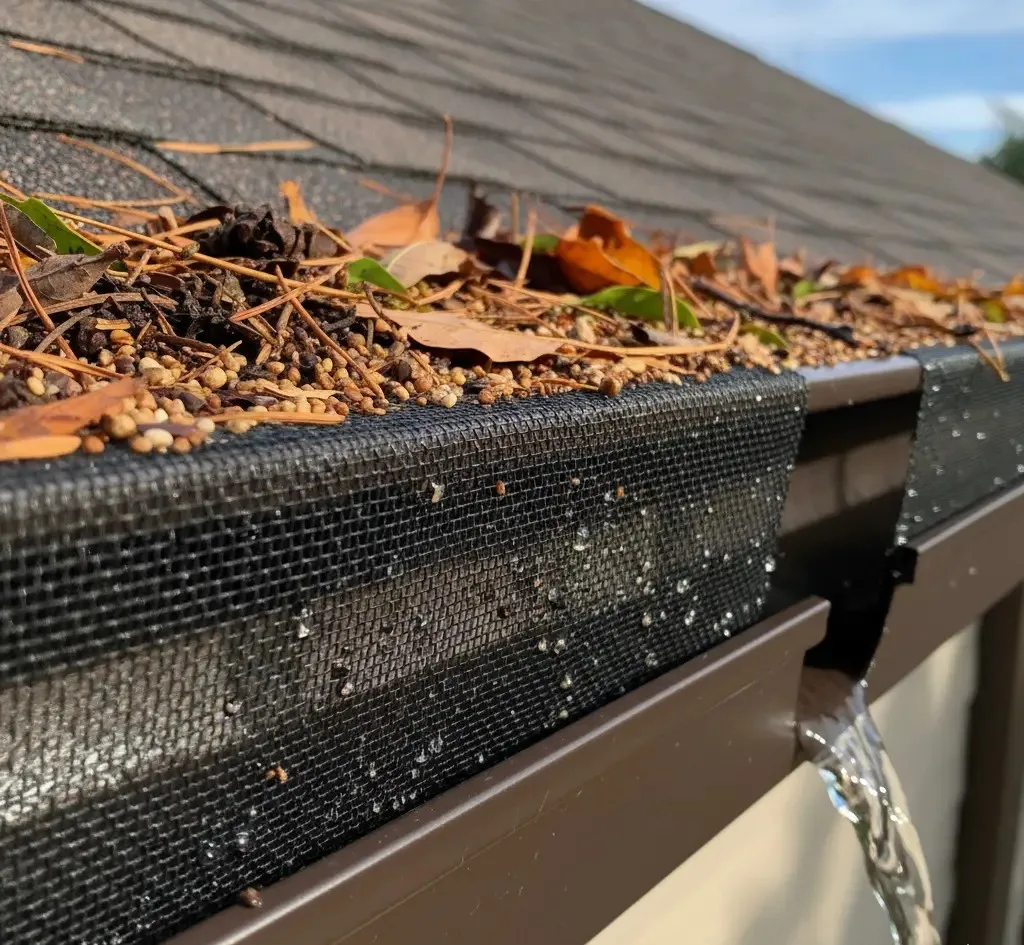
Yes, in many cases, high‑quality gutter guards can reduce clogs and cut down maintenance, but they aren’t magic. Their effectiveness depends on material, installation, roof pitch, local foliage, and care.
Why This Question Matters
As homeowners and property managers, few tasks are more tedious and risky than climbing a ladder to clean gutters. It’s no wonder many start asking, do gutter guards really work? For busy professionals, families juggling work and home life, elderly residents, or new homeowners in Castle Rock, the promise of “install once and forget” gutter guards is enticing. But before investing, it’s worth understanding the answer to do gutter guards really work in different climates and home setups, because performance can vary based on product type and installation quality.
In this article, we’ll dig into what gutter guards are, how they work (or don’t), how to choose wisely, common pitfalls, and what an expert take from the region. The goal: help you decide if they’re right for your property without the fluff.
What Are Gutter Guards?
Gutter guards come in various types, each with pros and cons. Mesh and screen covers are affordable and block large debris but may let fine particles through. Micro-mesh guards offer better filtration and high effectiveness but cost more and can clog in dusty areas. Reverse-curve designs shed debris well but may overflow in heavy rain. Foam or brush inserts are easy to install but degrade over time and trap fine debris. Hinged or snap-in guards are ideal for easy maintenance access without full removal. Choosing the right type depends on your home’s environment and maintenance preferences
Why Gutter Guard Performance Matters for Homeowners and Property Managers
For your audiences, the stakes are serious:
- Time & Safety: For busy households or seniors, reducing ladder work is appealing but a guard that fails means climbing anyway.
- Cost Avoidance: Gutters clogged can cause overflow, roof leaks, foundation issues, rot in fascia/soffits, pests, and water damage, all expensive repairs.
- Property Management / Resale: For real estate agents or property managers, demonstrating low-maintenance, durable gutter systems can improve property appeal.
- Local Environment: In Castle Rock and areas of Colorado, considerations like seasonal snow/ice, pine needles, storms, roof angles, and tree cover all influence guard performance.
- Expectations vs. Reality: Many homeowners expect “no maintenance ever.” But overpromising can lead to disappointment, negative reviews, and liability.
Hence, we must interpret “work” realistically: not perfect, but better than no guard, if chosen and installed well.
Benefits & Types of Gutter Guards
| Gutter Guard Type | Pros | Cons |
| Mesh / Screen Covers | Blocks large debris, affordable, DIY-friendly | Allows fine debris, can clog, needs proper install |
| Micro-Mesh Guards | Filters small debris, very effective | Costly, tricky install, may clog in dusty areas |
| Reverse-Curve Guards | Debris falls off, clean look | Can overflow, not for all roofs |
| Foam / Brush Inserts | Easy to install, blocks leaves | Breaks down, traps fine debris, hard to clean |
| Hinged / Snap-In Guards | Best for easy cleaning access without full removal | May not fit all gutter systems, limited durability options |
How Effective Are Gutter Guards: Evidence & Caveats
Let’s dig into what research, expert sources, and real-world experience tell us about the performance of gutter guards.
What the Experts and Homeowners Say
Studies show that gutter guards reduce maintenance, but don’t eliminate it. They’re not 100% effective, as fine debris can still get through, especially in pine-heavy or storm-prone areas. Higher-end systems cost more upfront but may save money long-term by preventing damage and reducing cleanings. However, poor installation is a common failure point.
Homeowners report mixed results: some say guards help, while others find they clog or create new problems. Cheap guards may cause debris buildup on top, leading to overflow. That said, professionally installed micro-mesh guards, paired with regular maintenance, tend to perform best.
How to Choose & Use Gutter Guards Effectively
To maximize the chances that your gutter guard system does work (or works well), here’s a guide.
Assess Your Site & Needs
- Tree cover & debris type: If your home is surrounded by pine trees or oaks that drop tiny debris, you’ll need a guard with fine filtering (e.g., micro‑mesh). If debris is mainly large leaves, simpler screens may suffice.
- Roof slope, pitch, and runoff volume: Steep or high-volume roofs may overwhelm some guard designs (especially reverse-curve). Ensure the guard can handle your locale’s precipitation load.
- Climate & freeze risk: In freezing climates, ice dams and snow accumulation can interfere with guard operation (guards themselves may freeze or channel water poorly).
- Gutter condition & slope: Before guard installation, gutters should be well-aligned, properly pitched, and free of sagging or damage.
Choose High-Quality Materials & Design
- Prefer durable materials (aluminum, stainless steel micro‑mesh) over plastics for longer lifespan.
- Look for guards with fine mesh, proper openings, and good warranty.
- Avoid designs that require being placed under shingles unless you confirm they won’t void roof warranties.
- Removable or hinged covers improve maintainability.
Insist on Professional, Proper Installation
- Guard must be aligned precisely, sealed, and fastened securely to prevent sagging, gaps, or water bypass.
- Slope, angle, spacing, and water adhesion principles must be respected. Improper mounting is often the failure mode
- Test with simulated rainfall after installation to check for overflow, leaks, or bypass.
Maintain & Monitor Periodically
- Even the best guards need inspection, annual or semiannual checks for debris, sagging, or damage.
- Clear debris from the top surface so water can enter the guard freely.
- If guards are removable or hinged, occasionally lift them and clean inside gutters.
- Monitor performance during storms; if overflow or bypass appears, diagnose location and adjust.
Cost‑Benefit & Break‑Even Thinking
- Compare the upfront cost (materials + installation) against recurring gutter cleaning costs, potential damage repair, and risk reduction.
- In a high-debris, high-maintenance scenario, gutter guards often pay for themselves over years.
- In low-debris settings, a simpler, lower-cost guard may suffice, or even skipping guards may be reasonable.
Do Gutter Guards Really Work?
When you ask “Do gutter guards really work?”, the honest answer is: yes, in the right conditions, with the right system, and with maintenance, they can meaningfully reduce problems and workload, though they won’t eliminate all effort or risk.
If installed well with quality materials, they can block most debris, cut down gutter cleaning needs, protect against overflow damage, and extend your gutter and roof life. But lower-end systems, poor installation, or mismatch with your environment may lead to underperformance, frustration, or added cost.
If you’re in Castle Rock or the surrounding area and want advice choosing or maintaining gutter guards (or coordinating with our seasonal home cleaning services), CR Maids is happy to help you integrate gutter strategy into your overall home care regimen.
Get a No-Pressure Gutter Guard Consultation in Castle Rock
Tired of clogged gutters, constant cleaning, or worrying about water damage? CR Maids offers more than just house cleaning, we also help Castle Rock homeowners stay ahead of gutter issues with expert gutter cleaning and guard assessments. Whether you’re dealing with overflowing gutters, hidden debris, or planning for long-term protection with gutter guards, our team can help. No sales pressure, just clear answers, reliable service, and a cleaner, safer home.Book your gutter cleaning or assessment today and take the stress out of seasonal maintenance.
Frequently Asked Questions
1. How much does gutter guard installation cost?
Gutter guard installation usually runs between about $7 and $15 per linear foot depending on material, roof height, complexity, and labor; for a typical mid‑sized home the total often falls in the range of $1,200 to $2,500.
2. What are the best gutter guards?
The best gutter guards tend to be stainless steel micro‑mesh or premium aluminum designs, from reputable brands like LeafFilter, Gutter Helmet, or MasterShield that balance durability, debris filtration, and warranty support.
3. Can gutter guards handle heavy rain?
Top-performing designs (with correct sizing, pitch, and overflow capacity) can work well in heavy rain. But cheaper or improperly sized guards may get overwhelmed, causing overflow or water bypass.
4. How to install gutter guards?
To install gutter guards you first clean and repair the gutters, then measure, cut, and fasten the guard sections (often sliding under shingles or clipping to the gutter lip), seal joints and ends, and then test by running water to confirm proper flow.
5. How long do gutter guards last?
The lifespan of gutter guards depends on material and quality: high‑end aluminum or stainless steel guards can last 15 to 20 years or more, whereas plastic, foam, or lower-quality types often wear out in 5 to 10 years.
Key Takeaways
- Gutter guards reduce, but do not eliminate, cleaning.
- Material, design, and installation quality are critical.
- Micro‑mesh systems tend to deliver the highest performance in challenging conditions.
- Maintenance (top cleaning, inspections) remains necessary.
- A well-chosen guard often pays for itself over years, especially in debris-heavy settings.