
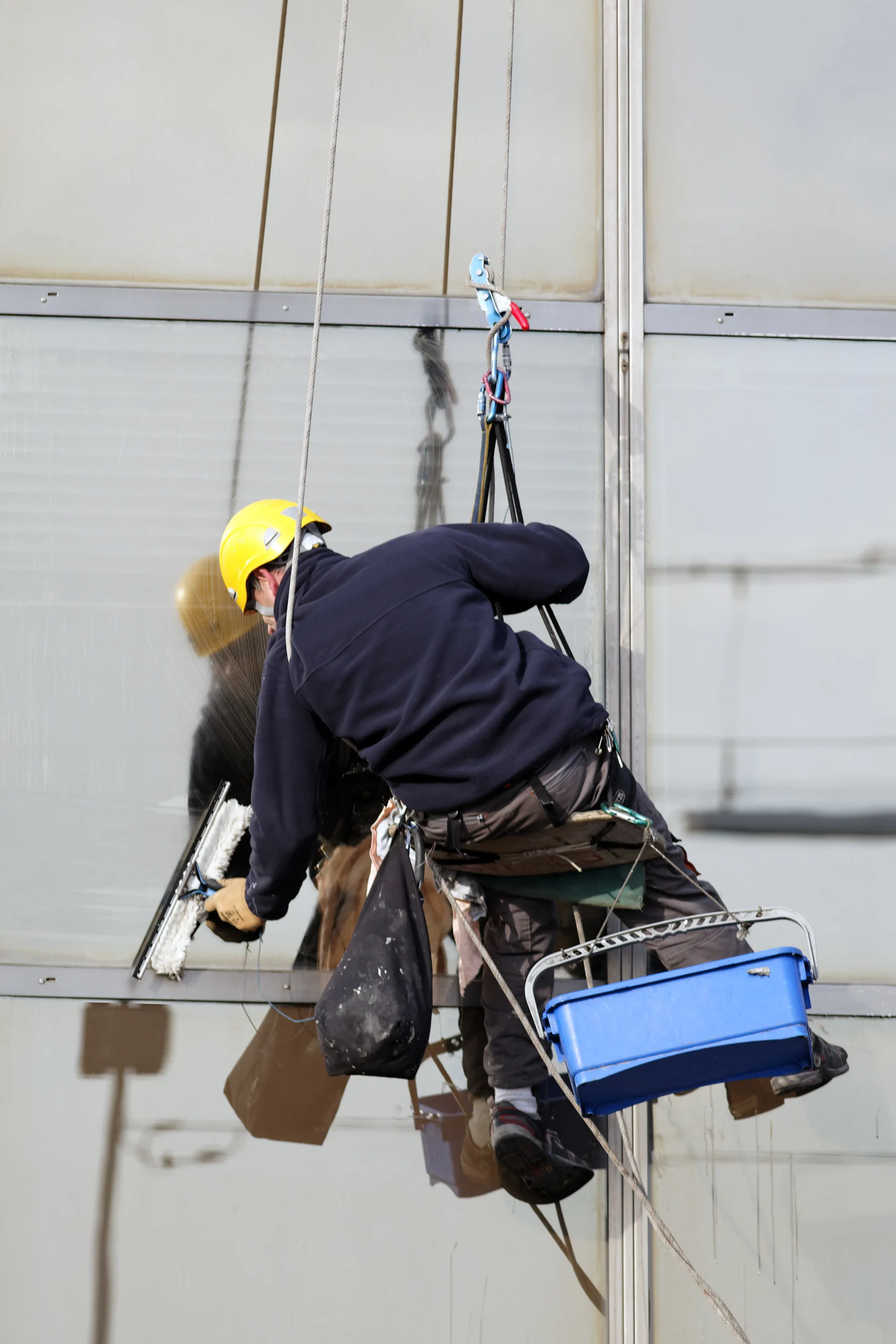
Commercial window cleaning services handle high-rise buildings using advanced safety gear, rope access systems, and rigorous training to protect both workers and property. Every job involves site assessments, certified equipment, and strict compliance with safety standards to ensure efficient, streak-free results even hundreds of feet above ground. With CRmaids, you get spotless windows and complete peace of mind.
High-Rise Window Cleaning Demands Specialized Equipment and Strict Safety Standards
When tackling high-rise buildings, professional window cleaners rely on specialized gear and well-structured safety protocols to minimize risk. If you’re wondering how do commercial window cleaning services handle high-rise buildings, the answer lies in detailed site assessments, the use of equipment like rope descent systems and bosun’s chairs, and strict adherence to OSHA-approved practices. Every cleaner undergoes extensive training in rope access, fall prevention, and emergency procedures to ensure every project runs smoothly and securely.
High-rise cleaning is not just about reaching great heights it’s about mastering precision and protection. From monitoring weather conditions to using eco-friendly cleaning solutions, CRmaids combines expertise and advanced tools to deliver crystal-clear results that make your property shine from top to bottom.
Safe and Efficient High-Rise Window Cleaning Practices
Commercial window cleaners rely on rigorous training, specialized gear, and methodical safety checks to handle high-rises as safely as possible. From rope descent systems to bosun’s chairs, each technique meets strict guidelines designed to minimize risk. The result? Sparkling windows and peace of mind for you and everyone on-site.
Ensure safety at great heights
When professionals scale tall buildings, safety is always the number one priority. Companies typically follow local regulations and industry best practices to minimize any danger. By using safety harnesses, static lines, and certified protective gear, they ensure that workers remain secure even in daunting environments.
Use proper equipment and gear
Professional cleaners never skimp on equipment. You’ll see them use
- Rope descent systems (RDS) that allow smooth vertical movement
- Bosun’s chairs, which are sturdy seats designed for hands-free window cleaning
- Scaffolding or elevated platforms for larger jobs
- Helmets, non-slip shoes, and safety harnesses to limit the chance of falls
All these items are tested to meet high safety standards. By knowing exactly which setup works best for each building, professionals can work efficiently while still following strict protocols.
Adopt thorough training practices
It’s not just about tools, it’s also about the people using them. Before ever stepping off the ground, commercial window cleaners typically
- Complete specialized rope-access training to learn how to anchor, ascend, and descend safely.
- Follow guidelines from organizations such as the Occupational Safety and Health Administration (OSHA) for compliance.
- Practice emergency rescues, so they know how to react just in case.
- When you choose a qualified team, you’re picking professionals who treat each job as a carefully managed operation.
Address hazardous conditions promptly
Weather and building conditions can make or break a high-rise cleaning project. Wind gusts, rain, or power outages can force teams to pause to avoid unnecessary risk. Many companies monitor forecasts closely and inspect building surfaces for loose fixtures or structural damage before starting any job. By staying flexible and prepared, they keep your property safe while avoiding delays.
Additional Information: Safety Standards and Technology in High-Rise Cleaning
Comprehensive Risk Assessments
Before starting any high-rise cleaning project, professionals perform detailed site inspections to identify structural challenges and potential hazards. These assessments determine whether to use rope descent systems (RDS), aerial lifts, or building maintenance units (BMUs) all chosen based on building height, layout, and accessibility.
Strict Safety Compliance
Safety remains the highest priority in every operation. Cleaners strictly follow Occupational Safety and Health (OSHA) and local safety regulations, ensuring that all harnesses, anchors, and ropes are thoroughly inspected. Weather conditions are continuously monitored, and cleaning is paused during high winds or storms to maintain worker and public safety.
Technology and Eco-Friendly Practices
Advancements in cleaning technology have made high-rise maintenance more efficient and environmentally friendly. The introduction of pure-water-fed pole systems, drone inspections, and biodegradable cleaning agents minimizes water waste and reduces chemical use. These innovations not only protect the environment but also enhance the longevity and clarity of building glass.
The Result
Modern high-rise window cleaning is a seamless combination of precision, safety, and sustainability ensuring gleaming windows, reduced operational risk, and minimal disruption to business activities below.
How Do Commercial Window Cleaning Services Handle High-Rise Buildings Safely?
Now you know how do commercial window cleaning services handle high-rise buildings safely and efficiently. Through specialized gear, in-depth training, and careful planning, CRmaids ensures spotless windows and total safety for every project.
Ready to elevate your building’s appearance?
Contact CR Maids today for high-rise window cleaning that combines professionalism, protection, and perfection giving your property a shine that reaches new heights.
Frequently Asked Questions
1. Which safety gear is mandatory?
Harnesses, helmets, rope systems, and secure anchor points typically top the list. Regulations vary by region, but these basics are almost always required.
2. Is commercial window cleaning covered by insurance?
Reputable providers carry liability coverage and worker’s compensation insurance to protect both their team and your property.
3. Does weather affect the cleaning schedule?
Definitely. Strong winds, rain, or frost can be hazardous. Cleaning crews often reschedule when conditions are unsafe to avoid accidents.
4. Can special coatings be applied to high-rise windows?
Some companies offer treatments like water-repellent coatings. These can help reduce dirt buildup, meaning fewer cleanings throughout the year.
5. What should I expect from a commercial window cleaning service?
A professional commercial window cleaning service includes thorough glass washing, frame and sill detailing, and a streak-free finish using purified or eco-friendly solutions. Expect punctual scheduling, safety compliance, and a trained team equipped with the right tools to handle all building types efficiently. The result is sparkling windows that enhance your property’s appearance and extend its lifespan.
6. What makes commercial window cleaning different from residential cleaning?
The main difference lies in scale, equipment, and safety standards. Commercial cleaning involves larger surfaces, multiple stories, and strict safety regulations. Professionals use industrial-grade gear like rope systems, lifts, and scaffolding, whereas residential cleaning is simpler and focuses on smaller areas. Commercial projects also require more frequent maintenance to maintain curb appeal and meet compliance standards.
7. How often should commercial window cleaning be scheduled?
The ideal frequency depends on your building’s location, weather exposure, and surrounding environment. Most businesses schedule cleanings every one to three months, while high-traffic or urban properties may need monthly services. Regular scheduling helps prevent buildup, preserve glass clarity, and maintain a professional, polished look year-round.
Key takeaway
- Professional teams assess each site to identify and address risks.
- Gear like harnesses, rope systems, and bosun’s chairs is carefully chosen for the job.
- Thorough training covers rope access, OSHA guidelines, and rescue drills.
- Weather and building conditions are closely monitored for safety.
- Responsible companies carry insurance and follow strict procedures to protect everyone involved.

Karina Cohen is the owner of CR Maids, a local cleaning company serving the Greater Denver area. With a background as a global executive in fashion, software, retail, and financial services, she has led business strategy, mergers and acquisitions, and cross-cultural teams across the US, Europe, and Asia.
Karina holds a Global Executive MBA from Duke University’s Fuqua School of Business and a Bachelor of Science in Finance and Marketing from Fordham University. She brings this strategic expertise into CR Maids, where her mission goes beyond spotless homes—she is committed to empowering her team, creating financial security, and giving back to the community.
When she’s not leading CR Maids, Karina homeschools her daughter, serves on the board of Duke University Colorado, and supports initiatives that strengthen families and small businesses.